


My First 24 Hours in Tycoon Online: The Mistakes That Exposed the System


In my first 24 hours playing Tycoon Online, my balance was declining even as my factories were still producing.
That contradiction exposed a misunderstanding.
Tycoon Online is not a race to build. It is a system governed by cash flow, supply reliability, and margin spread.
Here is what the first day revealed.
Hour 1 – Apparent Profitability

The Buildings page suggests clear logic:
Raw material → Processed good → Finished product.
The final goods show higher sale prices. The assumption is simple:
If the output price is high, build the factory.
So I constructed a facility requiring inputs I did not produce myself.
The decision seemed efficient.
Hour 3 – Market Dependency
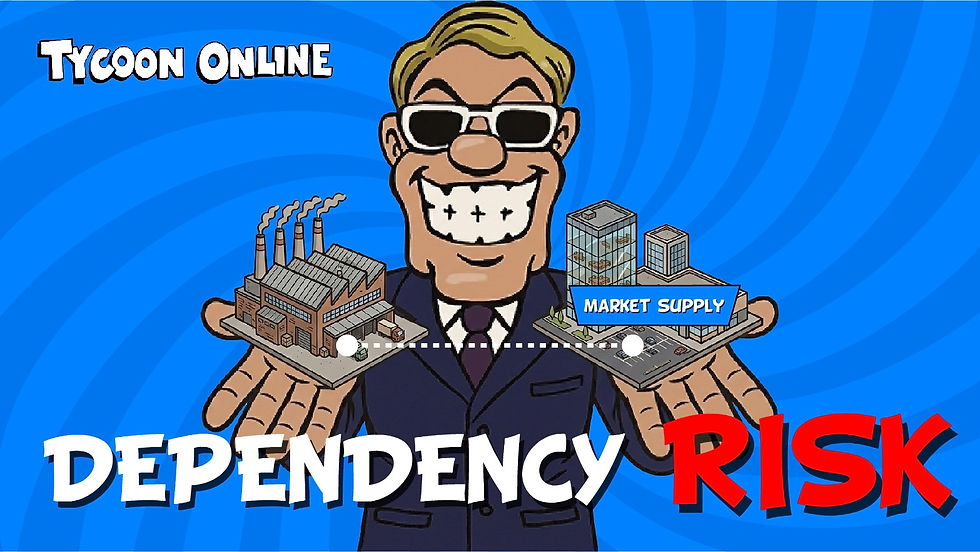
The Market page introduced friction.
Inputs were:
Sometimes available
Sometimes scarce
Sometimes priced above expectation
The underlying issue became visible:
Supply is player-driven. It is not guaranteed.
By skipping upstream production, I had outsourced my stability to other players.
That is not growth. That is dependency.
Hour 6 – Cash Flow Reality

Production continued.
Notifications appeared.
But cash did not accumulate as expected.
The Transactions page clarified why:
Production does not generate cash.
Sales generate cash.
Payroll is continuous.
Loan payments do not pause.
More output does not automatically mean more liquidity.
Cash flow, not production volume, determines survival.
Hour 10 – Observation Instead of Expansion
The instinct was to build more.
Instead, expansion stopped.
I began watching:
Market price shifts
Goods going out of stock
Inbound versus outbound cash
Patterns emerged.
Prices moved because players moved. Oversupply compressed margins. Scarcity raised them.
The game was not random. It was reactive.
Hour 14 – Structural Fragility

The original setup was vulnerable:
No upstream control
Exposure to input shortages
Margin sensitivity to price spikes
Payroll pressure during slow sales
It looked operational.
It was not resilient.
That distinction matters.
Hour 18 – Moving Upstream

Instead of expanding further down the chain, I built the raw facility previously skipped.
The effect was immediate:
Fewer supply interruptions
More predictable margin
Reduced exposure to price spikes
Growth slowed.
Control increased.
Stability proved more valuable than speed.
Hour 24 – The System Revealed
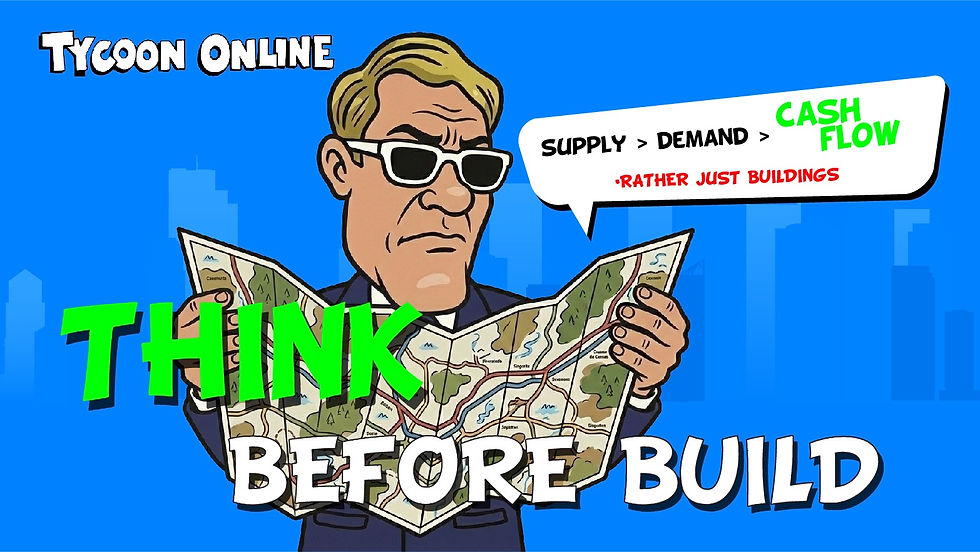
After one day, the lesson was structural.
Tycoon Online is not about building more buildings.
It is about managing:
Spread between production layers
Supply reliability
Cash flow timing
Payroll exposure
Dependency risk
Production without sales is inventory.
Inventory without margin is liability.
Vertical integration is not mandatory.
But dependency must be understood before expansion.
If Restarting Day One
The approach would change:
Analyse one complete chain before building
Check market supply reliability before depending on it
Monitor Transactions from the beginning
Limit payroll growth relative to sales velocity
Prioritise stability before scale
Early awareness prevents avoidable debt cycles.
Final Observation
The first 24 hours did not teach speed.
They exposed the system.
Tycoon Online rewards structural thinking long before it rewards expansion.
Understanding that early changes the trajectory of every subsequent decision.
FAQ
Why didn’t production increase my balance?
Revenue is realised only when goods are sold. Payroll and loan payments continue regardless of inventory movement.
Is relying on the market risky?
Yes. Market dependency introduces supply risk and margin volatility unless managed deliberately.


Comments